Ancient and Early Uses
Sage has been used for thousands of years. In ancient Egypt, it was valued as a plant that could support fertility and help with serious illnesses. It was even used in rituals connected to death and preservation, showing how important it was considered.

In ancient Greece and Rome, physicians recommended sage for many different purposes. It was used to support digestion, help heal wounds, and strengthen the body. Some of the most well-known doctors of the time described it as a powerful and reliable plant.

The Romans respected sage so much that they treated it almost as a sacred plant. Harvesting it was not done casually – it was often accompanied by special rituals, showing that people believed it had more than just physical effects.

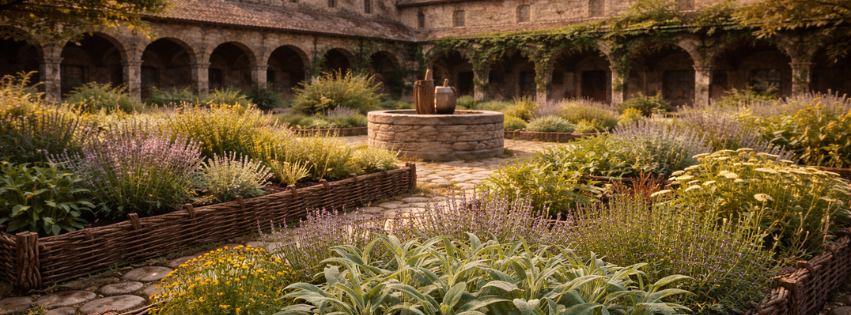
As time passed, sage continued to hold its importance. In medieval Europe, it became one of the most valued plants in monastery gardens. Monks used it not only as a medicine, but also as part of a balanced and healthy lifestyle.

People believed that sage could help maintain health and even prolong life. This belief became so widespread that it appeared in everyday sayings, passed from generation to generation.
If you have sage in your garden, you need no doctor.
This sentence may sound simple, but it reflects a deep trust. Sage was not seen as a rare or special remedy – it was something people could rely on every day.