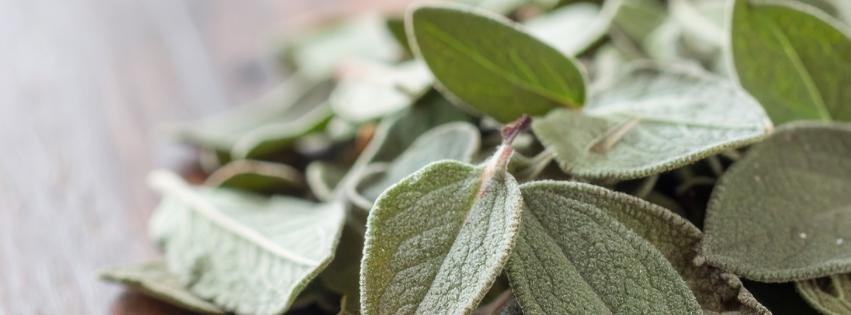
Where It Grows and How It Is Used
Sage originally comes from the Mediterranean region, where it grows in dry, sunny landscapes. It prefers warmth, light and well-drained soil, which is why it is often found in gardens rather than in wild, humid environments.

Over time, people began to cultivate sage in many different countries. Today, it can be found not only in Southern Europe but also in home gardens across the world. In some places, like Malta, it is grown in specific areas and harvested during the warmer months, usually in early summer.

Once harvested, the leaves are often dried and stored in closed containers. Interestingly, dried sage is sometimes preferred to fresh leaves, as the fresh plant can have a slightly bitter taste.

What makes sage especially valuable is how easily it fits into everyday life. The same leaves can be used in different ways:
in a cup of tea, in cooking, or as part of simple home remedies. There is no need for complicated preparation – just a few leaves are often enough.
A plant that grows simply, and can be used simply.
Because of this, sage has always been close to people’s daily routines. It did not belong only to healers or specialists – it was part of the home, the kitchen, and everyday care.